
Review · SCOOTER FOOD TOURS
Singapore Street Food and Ethnic Quarters Kick Scooter Tour
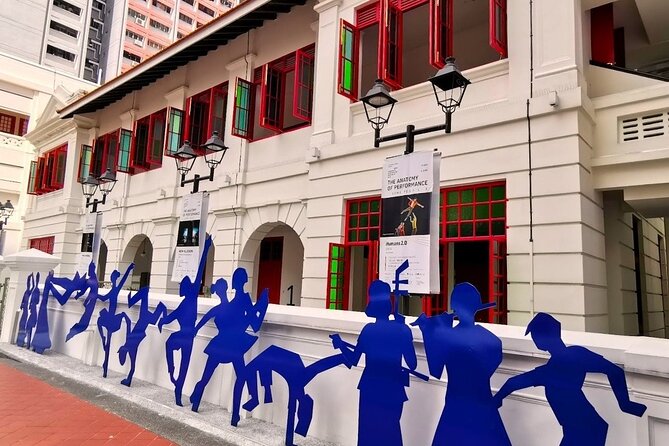
Singapore packs an astonishing number of cultures into a small area, and this tour lets you cover much of it on two wheels. You’ll ride from Little India to Kampong Glam, passing Hindu and Buddhist temples, old Catholic landmarks, former Jewish and Japanese quarters, and some of the city’s most photogenic streets.
I especially like the seven vegetarian-friendly tastings, which range from a giant dosai cone with masala tea to chwee kway, muah chee, and black glutinous rice dessert. I also like the efficient route: kick scooters help you move between districts that would take longer on foot. The main consideration is balance. If you are unsteady on a scooter, the first part may feel awkward, and the tour does not accept children aged seven or younger or people weighing more than 100 kilograms.
Key points to know before booking
- A seven-stop food trail: Try dosai, masala tea, popiah, chwee kway, muah chee, bubur pulut hitam, and pisang goreng.
- A cross-cultural route: See Little India, Albert Mall, the old European quarter, former Jewish and Japanese areas, and Kampong Glam.
- A practical evening schedule: The tour begins at 5 pm and lasts about three and a half hours.
- A small group ride: The maximum group size is 15 people, keeping the outing more personal than a large bus tour.
- A scooter-first experience: You need enough balance and confidence to ride a kick scooter through city streets.
- A flexible weather policy: Poor weather can lead to a new date or a full refund, and cancellation is free up to 24 hours before departure.
Why this Singapore food tour works
This is not simply a restaurant crawl. Food gives the route its rhythm, but the real appeal is the way the ride links Singapore’s cultural districts. In one evening, you move from a Hindu temple street to an old Catholic quarter, then toward Chinese hawker food and the Malay heart of Kampong Glam.
I like that the tour does not treat Singapore as one polished modern center. You get grand religious buildings, former trades, old shophouses, shopping streets, hawker stalls, and nightlife streets. The result is a more useful picture of the city than a tour focused only on Marina Bay or colonial monuments.
The kick scooter matters. Singapore’s central districts are compact, but the walking distances between Little India, Bugis, the civic area, and Kampong Glam can add up. A scooter gives you a quicker way to connect the stops without putting you in a tour bus. It also keeps you close to street life.
There is a learning curve. One person described being wobbly at first before getting the hang of it, so you should allow yourself a few minutes to adjust. This is not a passive food tour where you simply follow a guide. You will be riding, stopping, parking, and getting moving again.
More Electric Scooter Tours in the world:
- Budapest Small-Group Guided Tour on MonsteRoller e-Scooter
★ 5.0 · 1,517 reviews - Budapest: Small-Group MonsteRoller E-Scooter Tours
★ 4.9 · 1,198 reviews - Prague: Fat Tire E-Scooter Guided Tour
★ 5.0 · 802 reviews
Little India starts with color and devotion
The tour begins in Little India at 5 pm, a good time for the heat to ease and the evening food scene to gather pace. The first stop is House of Tan Teng Niah, a brightly painted Chinese villa built in 1900 by a Chinese merchant for his wife. It is the only Chinese villa left in Little India, making it an unusual sight in a district best known for Indian culture.
You have only about two minutes here, so think of it as a quick orientation and photo stop rather than a house visit. The building’s color and setting make it an easy introduction to the mixed character of Singapore.
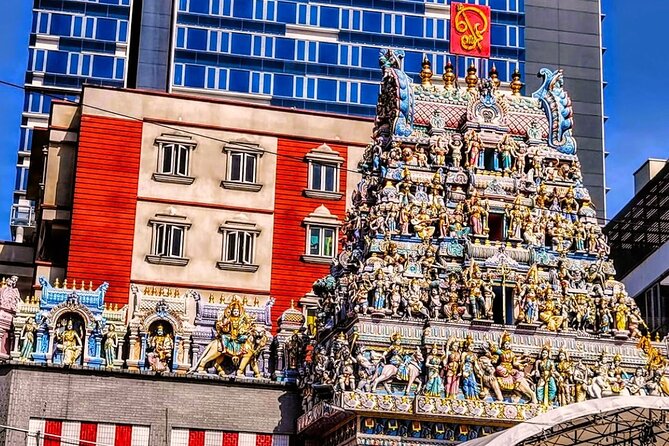
Next comes Sri Veeramakaliamman Temple, dedicated to the Hindu goddess Kali and established in 1855. The stop lasts about 10 minutes. You can appreciate the temple’s religious role and ornate exterior, but remember that this is an active place of worship. Dress and behave respectfully, and follow the guide’s instructions about where you can stand.
Campbell Lane provides a different look at Little India. Instead of a single major landmark, you see traditional trades such as sweetmeat stores and flower shops. This is the kind of short street stop that helps connect the grand temple with ordinary neighborhood life.
Dosai and masala tea at Komala Vilas
The first substantial food stop is Komala Vilas Restaurant, where you get a giant dosai cone and masala tea. The visit lasts about 40 minutes and is included in the tour price.
Dosai is a crisp, thin South Indian crepe, and the cone presentation makes it a memorable first tasting. You are not just grabbing a bite between sights. You have time to sit with the dish, drink the spiced tea, and get your bearings before the scooter route continues.
This stop is particularly useful if you are new to Indian food. The menu item is familiar enough in form to be approachable, but it still gives you a proper taste of South Indian cooking. Since the food on the tour is vegetarian-friendly, you can focus on flavor rather than trying to sort out meat-free choices at every stop.
The food is generous across the evening, so avoid arriving stuffed. The experience is designed as a progressive meal, with small tastings and a few more filling dishes spread over the route.
Temples and old quarters between meals
From Little India, the ride heads toward Selegie and Bugis. This is where the scooter becomes most useful. You cover several areas that sit close together but have very different stories.
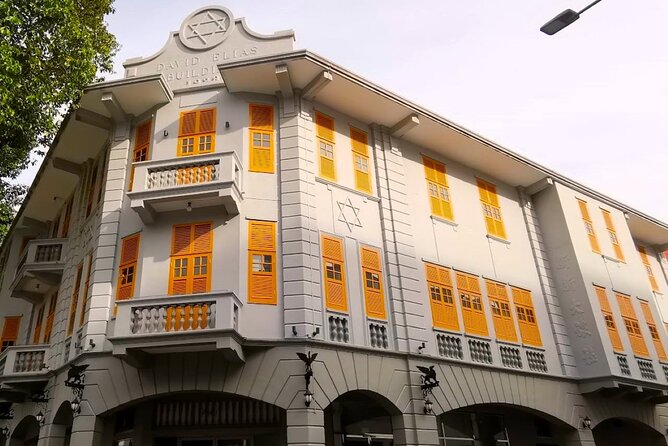
At Selegie, the guide points out remnants of Singapore’s former Jewish Quarter and Little Japan. These are not presented as intact historic neighborhoods, so keep your expectations realistic. You are looking for traces and context rather than a preserved old town. That makes the guide’s explanation important, since modern streets can hide much of what once occupied them.
Sri Krishnan Temple is a brief two-minute stop. Built in 1870 and dedicated to Lord Vishnu, it is known for being a Hindu temple where Buddhist and Taoist followers also worship. That shared use makes it an interesting example of Singapore’s religious overlap.
Nearby Kuan Yin Thong Hood Cho Temple, built in 1884, is dedicated to the Goddess of Mercy. It is famed for fortune telling and is one of Singapore’s busiest temples. Again, the stop is only about two minutes, so you should see these visits as quick windows into the city rather than guided interior tours.
The short temple visits suit the pace of the tour, but they also mean you will not have much time for quiet observation or detailed photography. If you want a slow temple visit, plan another stop on your own.
More Scooter Food Tours in the world:
- Ho Chi Minh City: Food Tour by Scooter with Eleven Tastings
★ 5.0 · 1,502 reviews - Saigon Evening Food Tour by Scooter
★ 5.0 · 944 reviews - Saigon Afternoon Unseen Street Food by Scooter |Opt: Ao Dai Rider
★ 5.0 · 854 reviews - Rome Afternoon Sightseeing Vespa Sidecar Tour with Gourmet Gelato
★ 5.0 · 692 reviews
Albert Mall delivers the main hawker tasting
Albert Mall is described as today’s Chinatown, a useful reminder that cultural districts in Singapore can shift over time. The area is now a key food stop, with about 30 minutes at a popular hawker center.
Here you try several vegetarian-friendly dishes:
- Popiah: A fresh Chinese spring roll with a soft wrapper and savory filling.
- Chwee kway: Steamed rice pudding topped with preserved radish and sambal.
- Muah chee: Soft glutinous rice pieces coated with nuts and sugar.
- Bubur pulut hitam: Black glutinous rice dessert served with coconut cream.
These dishes show how different textures shape Singaporean street food. You move from the soft wrapper of popiah to the sticky chew of muah chee, then finish with the creamy sweetness of bubur pulut hitam. Chwee kway adds a savory, spicy note to keep the meal from becoming one long sugar course.
The 30-minute timing is enough for a tasting session, but not a relaxed hawker feast. You will get variety rather than large individual portions. That is a good trade for a tour covering so many neighborhoods, especially if you want to sample foods you might not order on your own.
One practical point: the food is vegetarian-friendly, but that does not mean every dish will suit every dietary need. The tour description does not promise vegan, gluten-free, nut-free, or allergy-safe preparation. Tell the guide what you need. A guide such as Ms Ping can help adjust food choices, but you should still explain allergies clearly before eating.
Bugis, the old European quarter, and Raffles Hotel
After Albert Mall, the route passes Bugis Street, once known as a red-light district and now a busy marketplace. The stop is brief, about five minutes, so it gives you a quick look at the area’s current energy and a hint of its former reputation.
At Bugis Junction, the guide looks for traces of the Japanese businesses that operated here before World War II, including brothels and photography studios. The contrast between the modern shopping setting and the older story is part of the appeal. Singapore changes quickly, and many historic districts survive more through memory and street layout than through untouched buildings.
The route then enters the old European quarter. St Joseph’s Church, established by a Portuguese mission in 1853, is one of the area’s notable Catholic landmarks. The stop is only about two minutes, but it helps explain the variety of religious buildings in central Singapore. The route also passes other Catholic churches, giving this part of the ride a different character from Little India and Bugis.
CHIJMES follows, with about 10 minutes to look around. It once served as a Catholic girls’ school and orphanage and is now a food, entertainment, and lifestyle complex. This is a good example of adaptive reuse, with an old religious and educational site given a modern public purpose.
At Raffles Hotel Arcade, you spend about 20 minutes near one of Singapore’s best-known hotels. The hotel has hosted celebrities including Charlie Chaplin, Elizabeth Taylor, and Michael Jackson, and it is associated with the creation of the Singapore Sling. You do not need to buy the cocktail to appreciate the setting, and the tour does not list a drink there as part of the included tastings.
Kampong Glam finishes with Malay flavors
The final stretch heads toward Kampong Glam, once the seat of Malay royalty in Singapore. Haji Lane is a 10-minute stop and one of the liveliest evening streets on the route, with colorful walls, small businesses, and a nightlife atmosphere.
Sultan Mosque provides the area’s major landmark. Originally built in 1824, it was named for Sultan Hussein Shah, who signed the 1819 treaty that allowed the British to establish a trading post in Singapore. The visit lasts about five minutes, enough to take in the mosque’s place in the district and the story behind its name.
Bussorah Street is a short final stop, with Royal Palms, halal restaurants, and perfume shops along a pedestrianized street. It is a pleasant place to finish the cultural part of the route before the last food tasting.
The final bite is pisang goreng, Malay-style banana fritters. After the savory dishes and desserts earlier in the evening, the hot, sweet fritter makes a fitting finish. It also gives the route a clear Malay food connection rather than ending with another generic snack.
The tour ends at 73 Dunlop Street, near Rochor, Jalan Besar, Bugis, and Little India MRT stations. That location is convenient if you want to continue your evening in the center or return to your hotel by public transport.
What the $55.43 price really covers
At $55.43 per person, the value depends on how much you want from a guided city experience. You are paying for about three and a half hours, scooter use, a route through several districts, a guide, and seven food and drink tastings. You also get the convenience of having the stops connected for you.
The price looks fair if you would otherwise pay for several snacks, navigate unfamiliar hawker stalls, and plan your own route between Little India and Kampong Glam. The tour also saves time. The kick scooter lets you cover more ground than a food walk, while keeping you closer to the streets than a vehicle tour.
It is less compelling if your main goal is a large dinner. The food is spread across many stops, and the Albert Mall tasting lasts only 30 minutes. Think of this as a guided sampler and city introduction, not an all-you-can-eat meal.
The maximum group size is 15. That is small enough for a guide to keep an eye on the group and help with food choices, but it is not a private tour. If you want a quiet, personal pace, the number may still feel busy at popular streets and food areas.
Who should book, and who should skip it
I would recommend this tour to someone visiting Singapore for the first time who wants food, history, and neighborhoods in one evening. It suits curious eaters, couples, friends, and solo visitors who like a planned route but do not want to spend the night on a bus.
It is also a strong choice if you want vegetarian food without limiting yourself to one cuisine. The dishes move across Indian, Chinese, and Malay traditions, giving you a broad first taste of Singapore’s food culture.
You should think twice if you dislike scooters, have difficulty balancing, or want long visits inside temples and churches. The itinerary is fast by design. Many landmarks get only two to five minutes, while the food stops receive the most time.
The tour does not allow children aged seven or below, and people over 100 kilograms cannot participate. Most people can take part, but the scooter requirement is the key practical test. The activity also depends on good weather and a minimum number of participants. If poor weather or low enrollment cancels it, you are offered another date or a full refund.
Free cancellation is available until 24 hours before the 5 pm start time. After that point, refunds are not provided, and changes are not accepted.
Should you book the Singapore scooter food tour?
Book it if you want an efficient, food-focused introduction to Singapore’s central ethnic quarters and you feel comfortable learning a kick scooter. The strongest reasons are the wide range of stops, the seven vegetarian-friendly tastings, and the chance to see how Indian, Chinese, Malay, European, Jewish, Japanese, and religious influences overlap in a compact part of the city.
Skip it if you want a slow walking tour, a full restaurant meal, or detailed time inside each landmark. For the right person, $55.43 is a reasonable price for a guided evening that combines transport, food, and context without wasting time between districts. If you are unsure about your scooter balance, arrive ready to practice for a few minutes and let the guide help you get comfortable.
FAQ
Where does the tour begin?
The tour begins in Little India, Singapore, at 5 pm.
Where does the tour end?
The tour ends at 73 Dunlop Street, Singapore 209401. The office is within walking distance of Rochor, Jalan Besar, Bugis, and Little India MRT stations.
How long does the tour last?
The experience lasts approximately three hours and 30 minutes.
What food and drinks are included?
The tastings include a dosai cone, masala tea, popiah, chwee kway, muah chee, bubur pulut hitam, and pisang goreng. All are described as vegetarian-friendly.
Are young children allowed to join?
Children aged seven or below are not allowed to participate.
What happens if the weather is poor?
The experience requires good weather. If it is canceled because of poor weather, you are offered a different date or a full refund.
More rides that eat their way around the world
- Saigon Food Tour by Scooter with Eleven Tastings
★ 5.0 · 361 reviews - Saigon Food Tour on Scooter at Night
★ 5.0 · 289 reviews - Hanoi Vespa Tours: Food + Culture + Fun on Army Vespa
★ 5.0 · 279 reviews - Private Ho Chi Minh Sightseeing and Food Tour by Scooter
★ 5.0 · 258 reviews
More food and drink stops around the world
- Tuscany Vespa Tour: Lunch & Wine Tasting, Countryside Roads
★ 5.0 · 614 reviews - Bangkok: E-Scooter Night Tour with Local Street Food
★ 4.8 · 488 reviews - Tuscany Vespa Tour from Florence with Wine Tasting
★ 5.0 · 425 reviews - Hoi An Countryside Vespa Tour: Food, Culture & Daily Life
★ 5.0 · 406 reviews
Newly added around the world
- Visit Hossegor on an all-terrain electric scooter – with a guide★ 4.7 · 4 reviews
- Electric Scooter Tour: Full Tour (Old Town + Ostrów Tumski)★ 5.0 · 3 reviews
- Vespa tour with Professional Photoshoot★ 4.8 · 22 reviews
- Vespa Voyage: Scenic Routes of Rome★ 5.0 · 41 reviews
- Vespa – Wine and Photography service in Rome★ 5.0 · 32 reviews
- Vespa Tour with Professional Photographer★ 4.9 · 9 reviews
- Vespa Tour in the Hills of Bologna★ 5.0 · 22 reviews
- Rome: Vespa Tour with Gelato and Photos★ 4.9 · 7 reviews
Scooter Food Tours, compared.
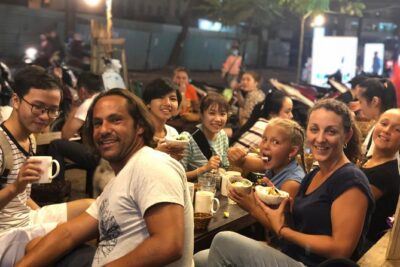
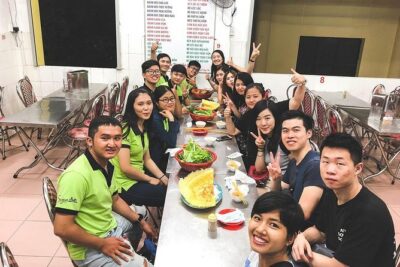
Saigon Afternoon Unseen Street Food by Scooter |Opt: Ao Dai Rider
Read our review →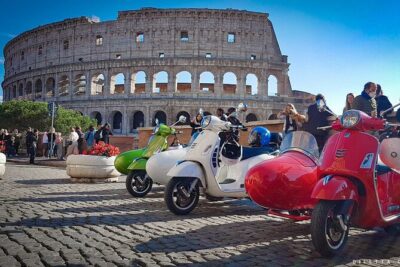
Rome Afternoon Sightseeing Vespa Sidecar Tour with Gourmet Gelato
Read our review →
Saigon Food Tour by Scooter with Eleven Tastings
Read our review →
Private Ho Chi Minh Sightseeing and Food Tour by Scooter
Read our review →Browse the lists this tour appears in